

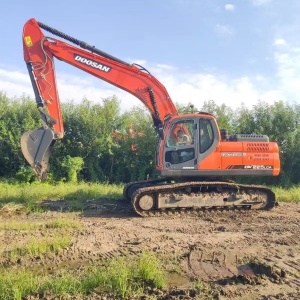
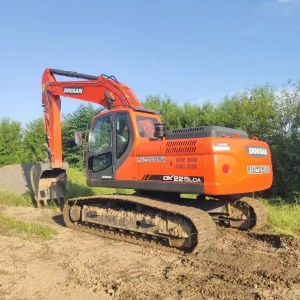
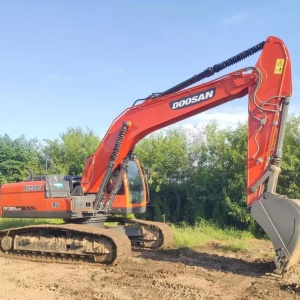
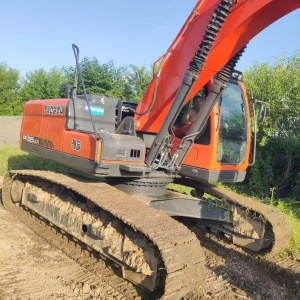
DOOSAN 225LCA Hydraulic Crawler Excavator
Highly Efficient Hydraulic System: The DOOSAN 225LCA excavator features a precision-tuned hydraulic system that delivers smooth, powerful performance, reducing fuel consumption while maximizing digging force for faster cycle times.
Robust Durability for Heavy Use: Built with reinforced structural components and a heavy-duty undercarriage, the 225LCA Doosan excavator withstands harsh job site conditions, minimizing downtime and maintenance costs.
Operator-Centric Comfort Design: The spacious, ergonomic cab of the Doosan 225LCA excavator includes advanced controls and noise-dampening features, reducing operator fatigue during long shifts and boosting productivity.
Versatile Application Compatibility: This 22-ton crawler excavator supports a wide range of attachments, making it ideal for everything from excavation and grading to demolition and material handling across diverse construction projects.
Reliable After-Sales Support: Backed by comprehensive service and parts availability, customers can trust in long-term performance and quick maintenance solutions for their Doosan construction machinery.
Product Overview
For businesses seeking a reliable and cost-effective construction solution, the Doosan 225LCA excavator stands out as a top choice. It balances power and efficiency, making it suitable for both small-scale and large-scale projects. With easy maintenance access and a global network of service providers, this machine is built to deliver consistent performance for years to come. Whether you are buying new or exploring used Doosan excavator options, the 225LCA offers unmatched value in its class.
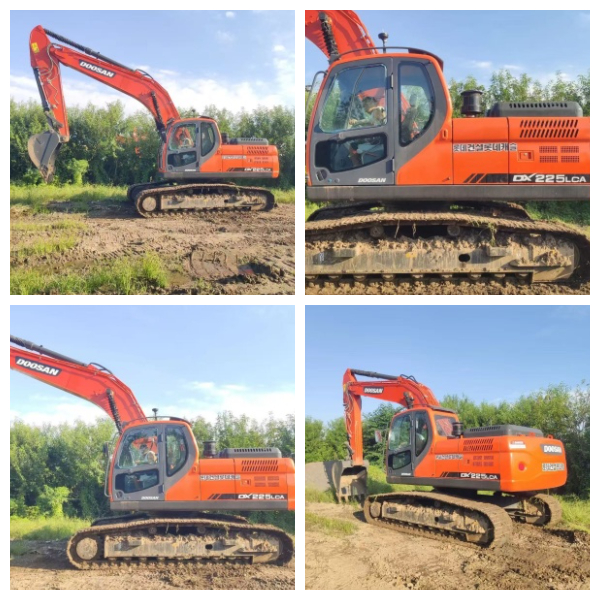
Core Product Parameters
| Parameter | Specification |
|---|---|
| Model | DOOSAN 225LCA |
| Machine Type | Hydraulic Crawler Excavator |
| Operating Weight | 21,900 kg |
| Engine Model | Doosan DB58TIS |
| Rated Power | 110 kW (148 hp) @ 2000 rpm |
| Bucket Capacity | 0.92 - 1.2 m³ |
| Max Digging Depth | 6,650 mm |
| Max Digging Reach | 9,900 mm |
| Max Digging Height | 9,710 mm |
| Undercarriage Type | Heavy-duty crawler |
| Track Shoe Width | 600 mm |
| Hydraulic System Pressure | 32.9 MPa |
| Travel Speed | 3.0 / 5.5 km/h |
| Gradeability | 35° (70%) |
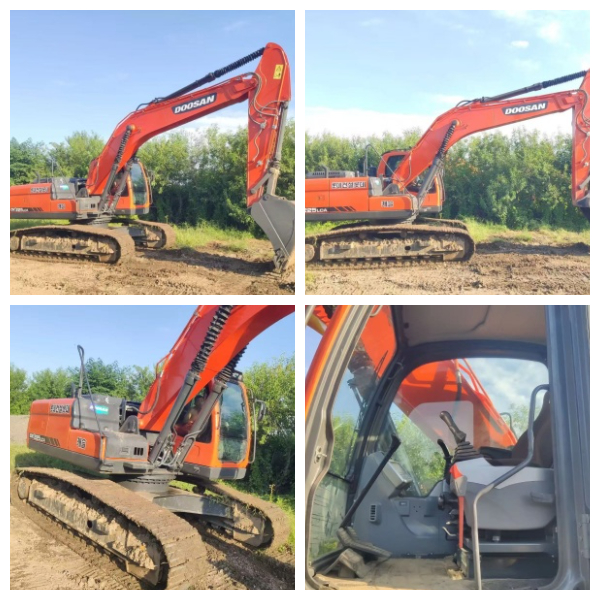
Product Features & Advantages
1. Powerful and Fuel-Efficient Engine
2. Advanced Hydraulic System
3. Reinforced Structural Design
4. Operator Comfort and Safety
5. Easy Maintenance and Serviceability
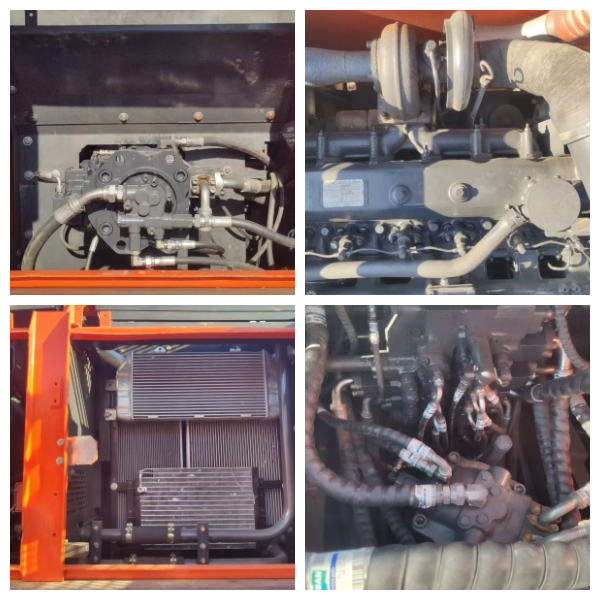
The DOOSAN 225LCA excavator is designed for easy maintenance, with wide access doors to key components like the engine, hydraulic pumps, and filters. This reduces downtime for routine service, keeping the machine operational for longer periods. The centralized lubrication system simplifies maintenance tasks, while the diagnostic system allows technicians to quickly identify and resolve issues.
Product Applications
Construction Projects: Ideal for foundation digging, trenching, and site preparation in residential, commercial, and industrial construction.
Road Building: Perfect for grading, excavation, and material handling during highway and road construction projects.
Quarry and Mining Operations: The robust design and powerful performance make it suitable for loading, hauling, and crushing tasks in quarries and mines.
Demolition Work: With compatible hydraulic breakers and attachments, the 225LCA efficiently handles demolition of concrete structures and buildings.
Landscaping and Agriculture: Used for land clearing, grading, and irrigation projects in agricultural and landscaping applications.
Packaging & Transportation
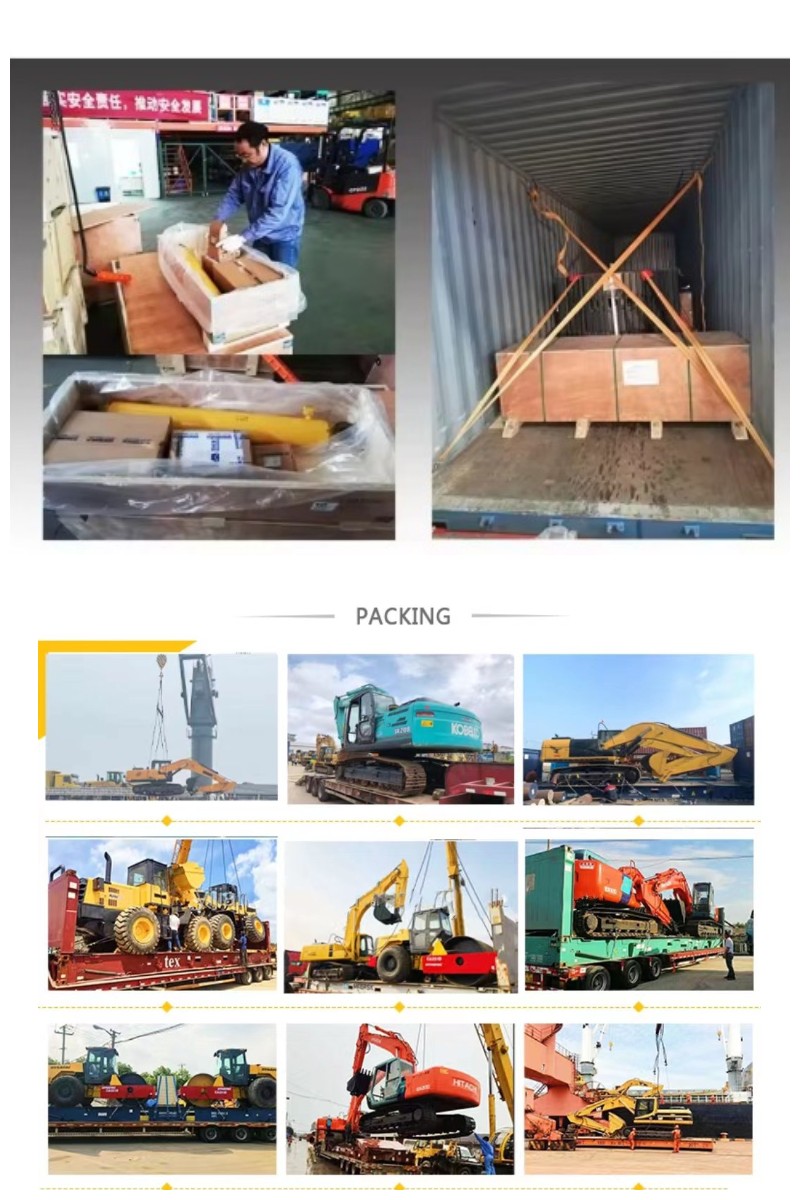
At Jinan Push & Dig Import and Export Co., Ltd., we ensure that your DOOSAN 225LCA excavator is safely packaged and delivered to your destination. The machine is thoroughly inspected and prepared for shipping, with key components protected to prevent damage during transit. We offer multiple transportation options, including sea freight, to meet your delivery timeline and budget requirements. Our team handles all documentation and logistics, ensuring a smooth and hassle-free delivery process to ports worldwide.
Company Strength Showcase
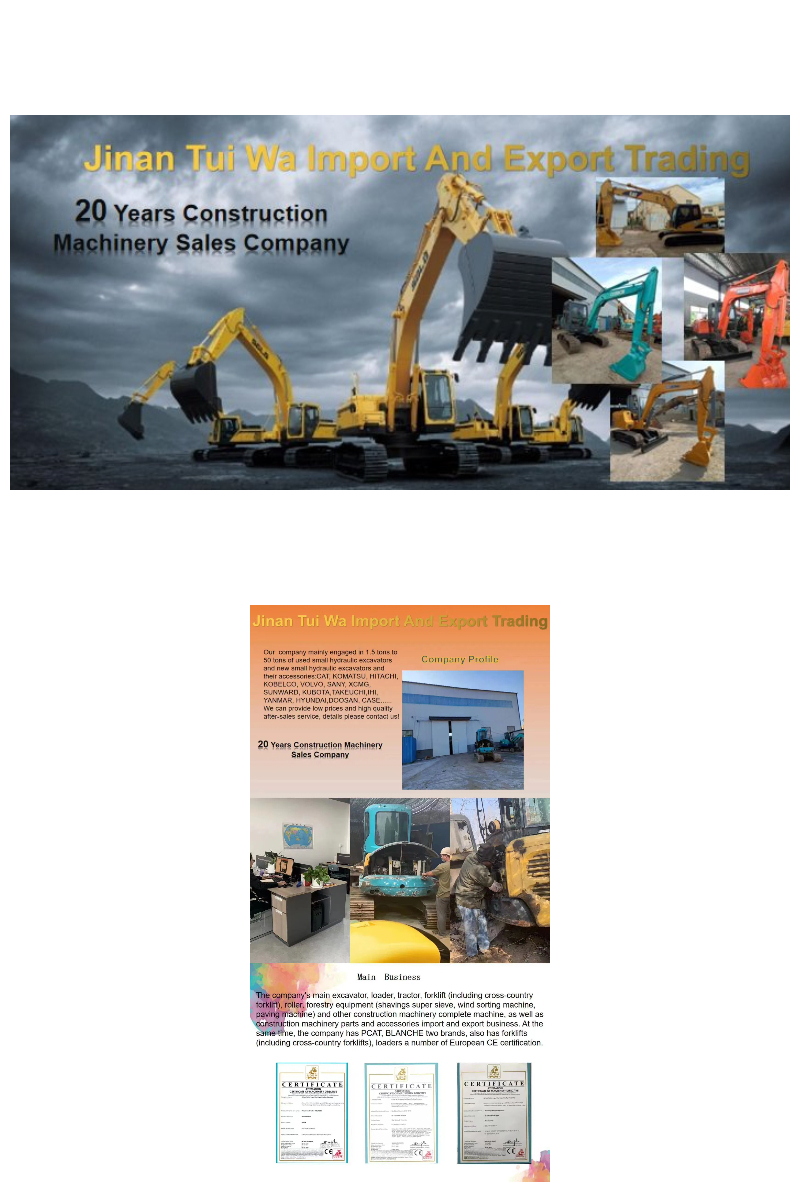
Jinan Push & Dig Import and Export Co., Ltd. is a professional supplier of construction machinery, specializing in the export of Doosan excavators and other heavy equipment. With years of experience in the industry, we are committed to providing high-quality products and reliable services to customers worldwide. Our company works closely with leading manufacturers to ensure that every machine meets international quality standards. We offer comprehensive support, including pre-sales consultation, after-sales service, and spare parts supply, to help customers maximize the value of their investment. Our dedicated team of experts is always ready to assist with technical support and maintenance advice, ensuring your Doosan 225LCA excavator operates at peak performance for years to come.
Customer Cases & Feedback
Customer 1 (Russia): “We purchased the DOOSAN 225LCA excavator for our road construction project, and it has exceeded our expectations. The machine’s performance is reliable, and the fuel efficiency has helped us reduce operational costs significantly. The team at Jinan Push & Dig provided excellent support throughout the purchase process, from documentation to delivery.”
Customer 2 (Africa): “The Doosan 225LCA has been a workhorse for our quarry operations. Its robust build and powerful hydraulic system handle the toughest tasks with ease. We are very satisfied with the quality of the machine and the after-sales service provided by the company.”


